

House finalizes bill to avoid government shutdown
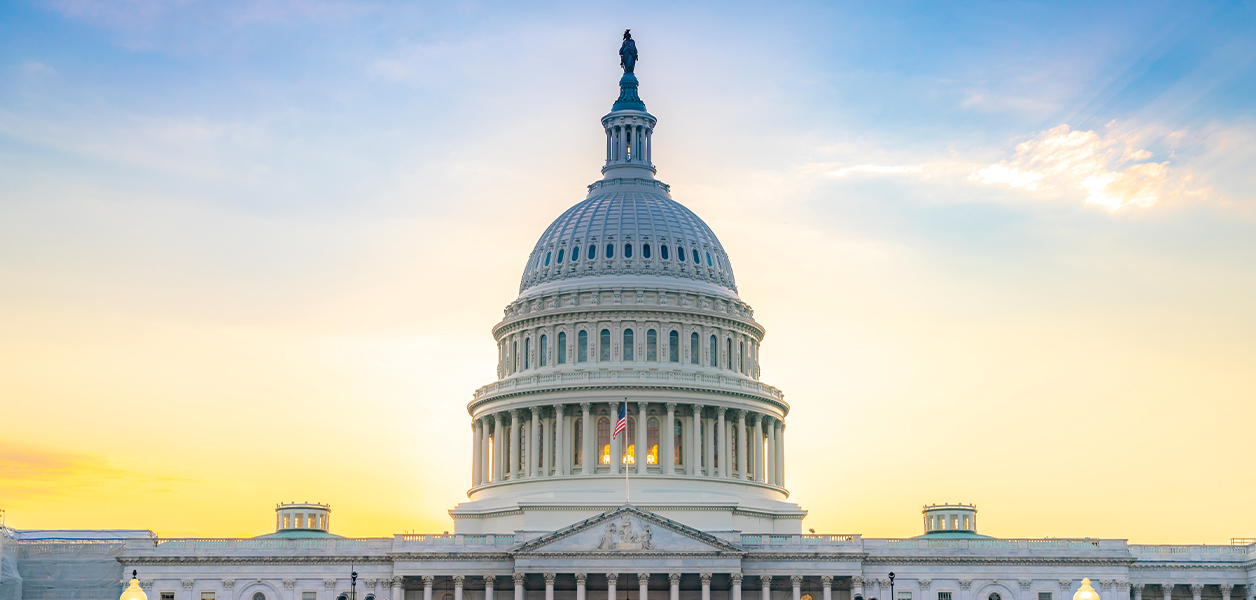
On Sept. 1, the House gave final passage to a stopgap continuing resolution that provides funding to keep the government open through Dec. 11, well past the midterm elections in early November. The measure, which passed by a vote of 370-48, now will be sent to President Trump, where it is expected to become law soon.
Government funding was set to run out Sept. 30 given the failure of Congress to approve appropriations bills that fund federal agencies for fiscal year 2027, which begins Oct. 1. The continuing resolution contains several funding adjustments or anomalies that would provide temporary funding boosts and new authorities for the duration of the resolution. It also would temporarily extend several programs set to expire after Sept. 30, including federal surface transportation funding, veteran’s benefits and flood insurance. Finally, it would prohibit the Trump administration from implementing a proposed rule to give federal agencies more discretion to cancel active grants and other financial assistance, a proposal that has faced opposition from Democrats and some Republicans.
In the Senate, where none of the 12 spending bills have been passed, bipartisan support is needed to pass ordinary government funding bills. Republicans want to increase overall military spending next fiscal year by 50% to $1.5 trillion while cutting funding for health care and other social services championed by Democrats. A final deal regarding the appropriations bills was not expected before the outcome of the November midterm elections is known. Therefore, there was a need for a continuing resolution to avoid a lapse of funding and resulting government shutdown that would be politically damaging during election time.
NRCA will continue to closely monitor the progress of the fiscal year 2027 appropriations process because of our steadfast support for funding of Perkins Career and Technical Education State Grants. This federal funding is critical to providing students with the resources and opportunities needed to ensure our industry has the skilled workforce necessary for the future.
Trump administration seeks to expand association health plans
The Department of Labor is planning to propose a rule that attempts to expand access to affordable health insurance through certain membership organizations called association health plans. NRCA has previously endorsed the concept of AHPs because it would allow small businesses to join together to purchase health insurance, giving them negotiating power similar to that of larger businesses in obtaining more affordable rates.
Specifically, the draft rule now under development would extend the definition of “employer” under the Employee Retirement Income Security Act to millions of self-employed workers so they would also be eligible for an AHP. The Department of Labor has submitted the proposal to the White House’s Office of Information and Regulatory Affairs, which is the last step in the process before rules are published and made available for public comment.
During the first Trump administration, the Department of Labor finalized a similar rule designed to expand AHP eligibility. However, a federal judge vacated key provisions of the rule in 2019, and it was formally rescinded by the Biden administration in 2024. It remains unclear whether this second regulatory attempt to expand AHPs would withstand another potential judicial challenge, requiring a more permanent, legislative fix by Congress instead.
The problem of rising health care costs is a renewed area of focus for NRCA as members throughout the U.S. indicate the cost of employer-sponsored plans is rising to unsustainable levels and crippling company operating expenses. NRCA will continue working to support sensible reforms, such as AHPs, to help small-business members obtain access to more affordable health insurance options.
National Labor Relations Board members sworn in
On Aug. 17, Republican appointee James Macy was sworn in as a new member of the National Labor Relations Board, and on Aug. 25, existing member David Prouty, a Democratic appointee, was sworn in for a second term on the board after both nominations were approved by the Senate earlier this summer. With these developments, the board now has a 3-1 Republican majority until December 2027, when current NLRB Chair James R. Murphy’s term expires. Given the longstanding tradition of board members voting to change existing precedent only if they have three affirmative votes to do so, the board can now move forward with rescinding decisions made in recent years that could result in significant policy shifts.
In addition, NLRB General Counsel Crystal Carey recently issued GC Memorandum 26-04, Further Guidance Regarding General Counsel Priorities. This memo outlines her efforts to reduce the historic backlog of cases currently before the board and includes a listing of NLRB case precedents that she wants to change during her tenure. Given these developments, it is likely the NLRB will be more active during the next year in dealing with cases brought under federal labor law. NRCA will continue monitoring board activity as it proceeds with decisions affecting roofing industry employers.